
Jet boat pump unit
The problem
A client came to us for engineering advice on how to achieve greater speeds with his Jet Boat, which was no longer performing as it had in the past.
After some research we were able to determine the standard parameters for his particular boat configuration such as:
- Engine power
- Engine operational speed
- Impeller, housing, pump pressure, shaft, nozzle, bearings, lubricants specifications and tolerances.
Our analysis identified an excessive clearance between the impeller and the pump housing. This was creating a loss of pressure in the pump unit due to impeller tip flow recirculation (eddy flow). This had a major effect on the speed of the fluid exiting the pump (water). As a result, the boat was producing less thrust and over revving the engine.
The solution
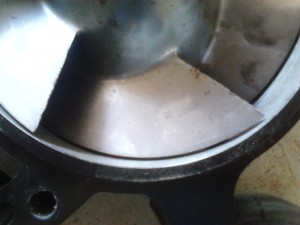
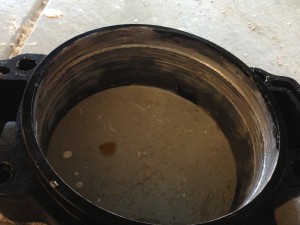
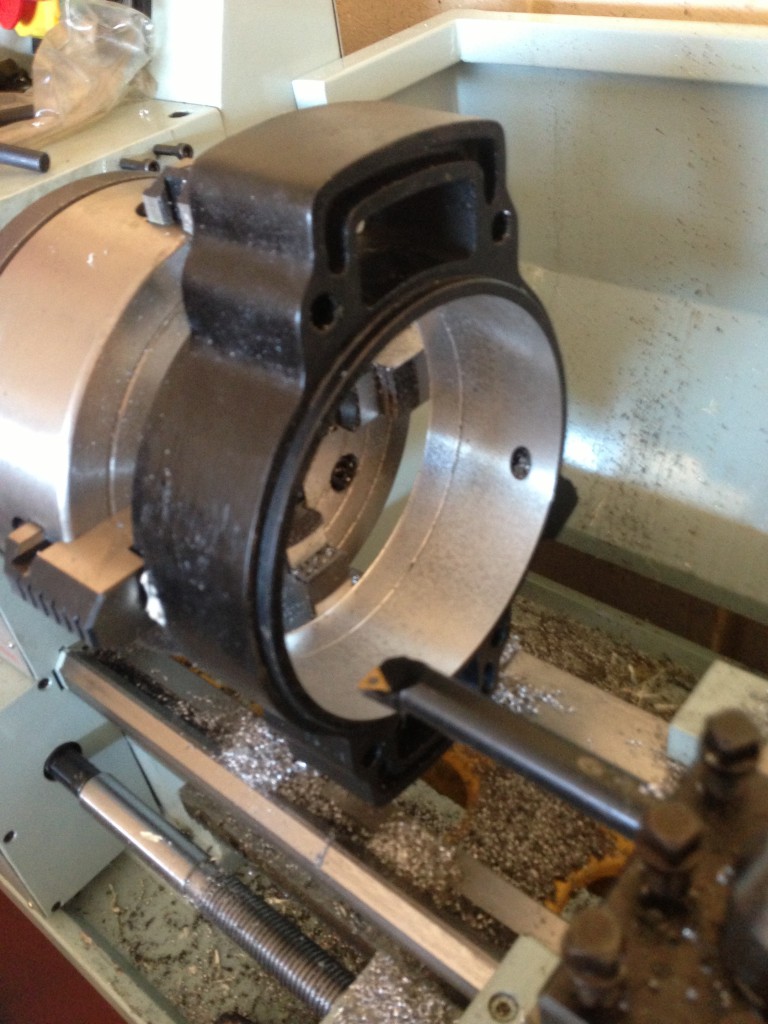
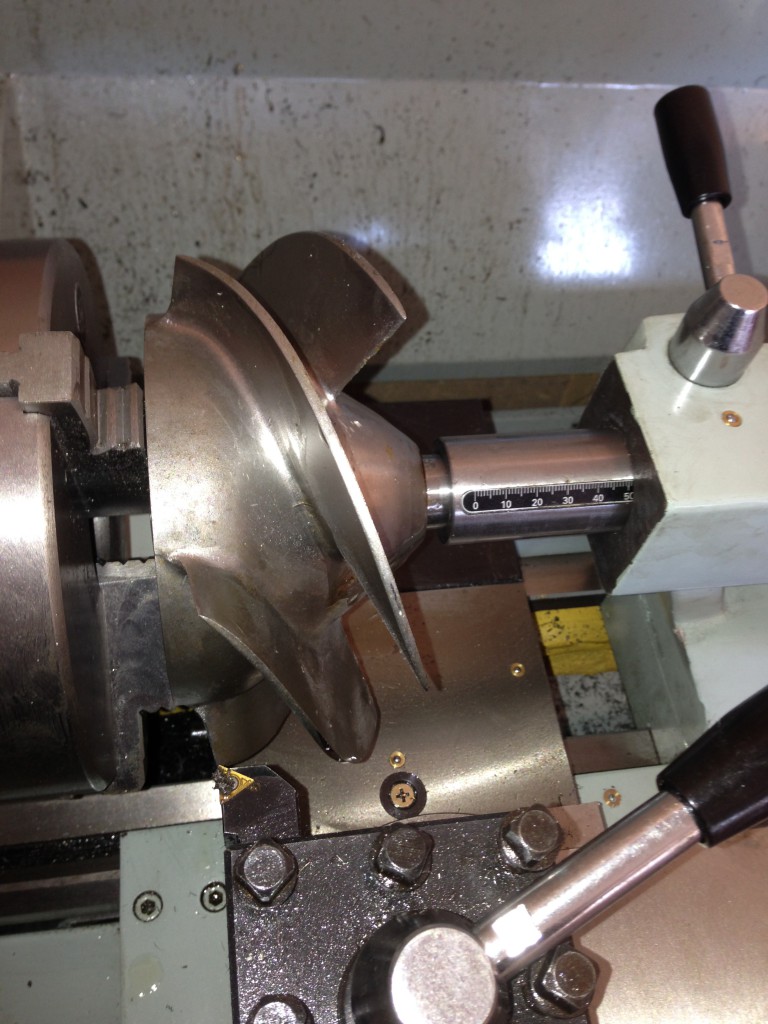
After undertaking a series of calculations we decided to machine the impeller blades in order to restore the tips to a desired hydrodynamic shape. We also machined the pump housing (aluminium) in order to accommodate a new insert (wear ring). The material selected was a high performance engineering composite due to its high wear performance and corrosion resistance capabilities (vastly superior to aluminium). The wear ring was precision machined to provide a clearance between it and the impeller of 0.3mm tolerance of +-0.1mm.
The end result was a huge increase in pump pressure translating into less engine RPM and an astounding increase in speed (almost 10 knots).


The problem
A client came to us for engineering advice on how to achieve greater speeds with his Jet Boat, which was no longer performing as it had in the past.
After some research we were able to determine the standard parameters for his particular boat configuration such as:
- Engine power
- Engine operational speed
- Impeller, housing, pump pressure, shaft, nozzle, bearings, lubricants specifications and tolerances.
Our analysis identified an excessive clearance between the impeller and the pump housing. This was creating a loss of pressure in the pump unit due to impeller tip flow recirculation (eddy flow). This had a major effect on the speed of the fluid exiting the pump (water). As a result, the boat was producing less thrust and over revving the engine.
The solution
After undertaking a series of calculations we decided to machine the impeller blades in order to restore the tips to a desired hydrodynamic shape. We also machined the pump housing (aluminium) in order to accommodate a new insert (wear ring). The material selected was a high performance engineering composite due to its high wear performance and corrosion resistance capabilities (vastly superior to aluminium). The wear ring was precision machined to provide a clearance between it and the impeller of 0.3mm tolerance of +-0.1mm.
The end result was a huge increase in pump pressure translating into less engine RPM and an astounding increase in speed (almost 10 knots).

